

The Matrescence Questionnaire 02: Rachel Ward
Longtime editor, adventurer, simplicity seeker, and mom of two: Rachel Ward of Life Unoptimized answers the Questionnaire!


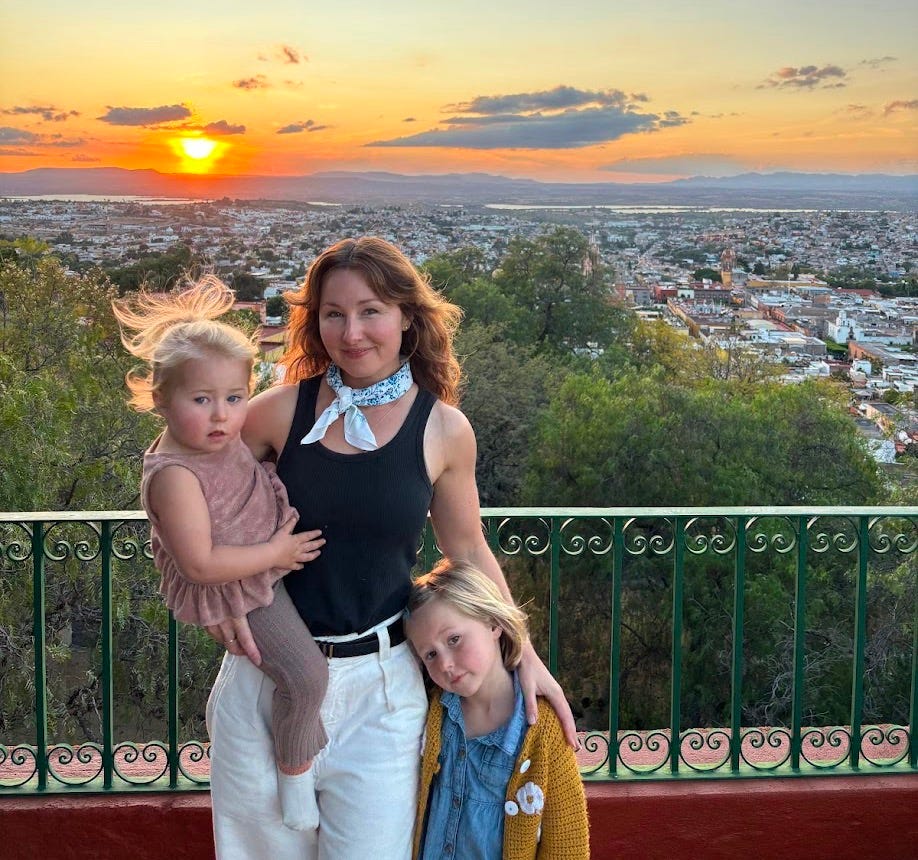
One of the biggest reasons I started this newsletter was to spread the word about matrescence. I was shook that I didn’t hear the term until nearly three years postpartum—and the relief I felt when I finally did!
Matrescence is the process of becoming a mother — a developmental transition that begins as early as pre-conception and spans pregnancy, birth, surrogacy, or adoption, continuing well into the postpartum period and beyond.
Just as adolescence marks the profound shift from childhood to adulthood, matrescence is an equally radical transformation — one that reshapes a woman’s body, mind, relationships, values, purpose, and sense of self.
To help normalize this wild ride, I created a new series where the coolest moms I know share their real, messy, magical stories of transformation by answering the Matrescence Questionnaire.
Today, I am so, so happy to have Rachel Ward of Life Unoptimized, one of my very favorite newsletters to receive. It’s like a burst of thoughtfulness, calm, creativity, and inspiration sent directly to your inbox every single week. I especially love her dispatch series where she shares five ways she’s added a bit of novelty and ease to her daily life each month.
Rachel is a longtime editor writing about her (literal) (worldwide) adventures in motherhood, while carving out a new path that questions consumerism, productivity culture, and the pressure to do it all—choosing instead to keep things simple, authentic, value-aligned, and meaningful. Do yourself a favor and subscribe to her now!
Take it away, Rachel..!

Name: Rachel Ward
Age: 40
Location: San Diego, California
Relationship Status: Married
Children: 2 girls, Sylvie (5) and Celia (2)
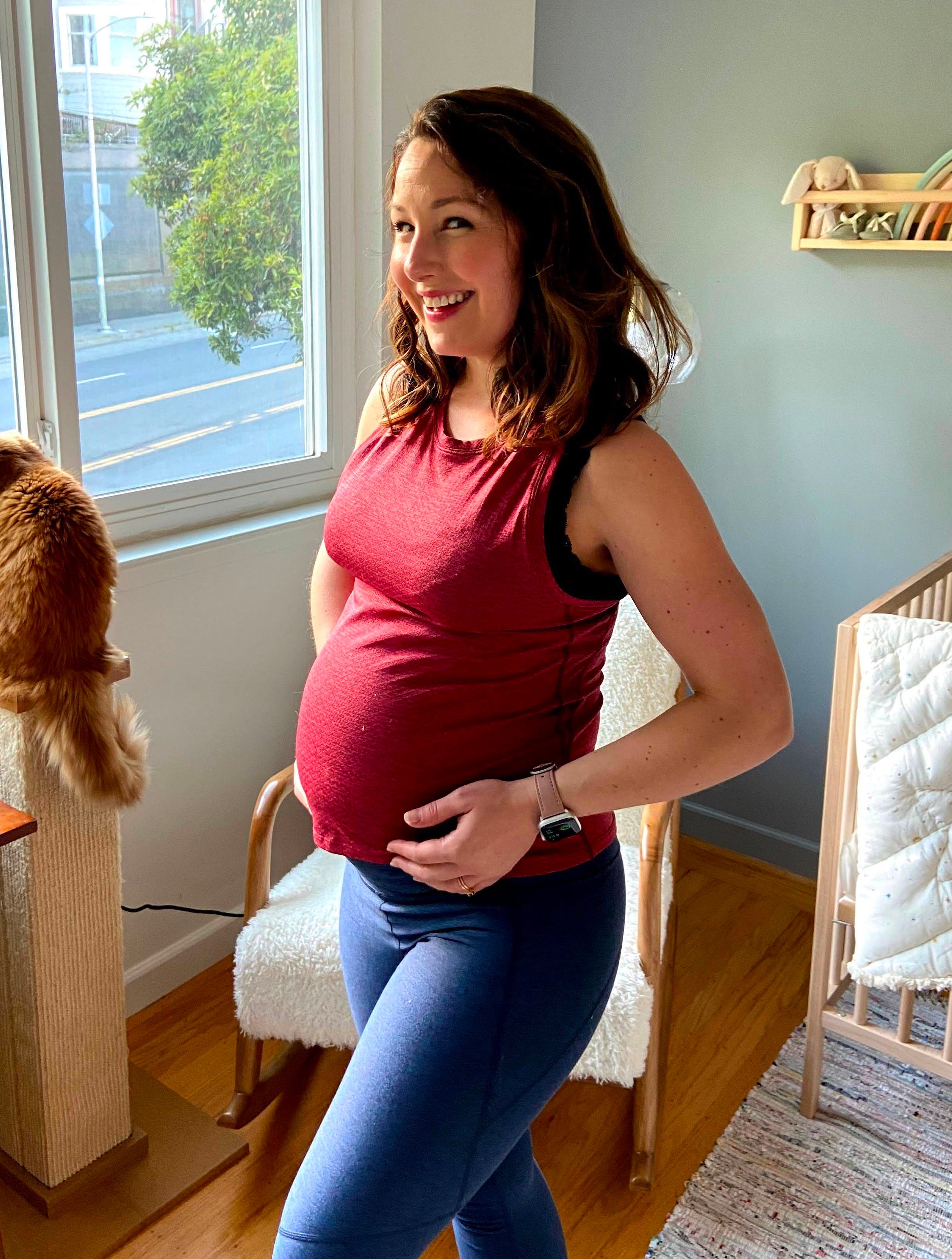
Section 1: Physical
How did the physical realities of nursing (or pumping/formula feeding) transform you? What did you learn from the experience?
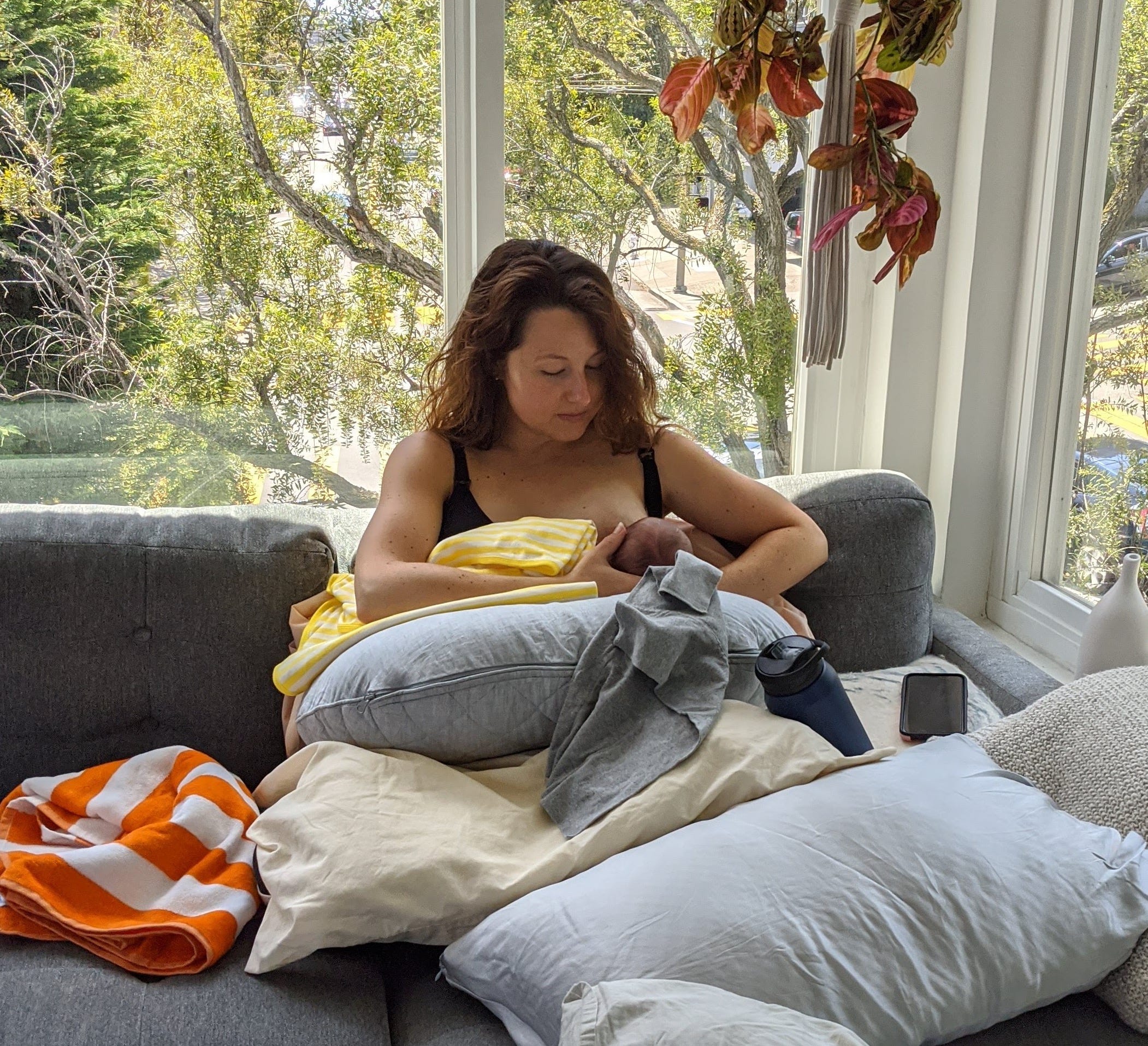
I took a breastfeeding class in late pregnancy (via Zoom, because the pandemic lockdowns started when I entered the third trimester). Still, when the baby arrived, I was floored to realize that my body was now the sole source of this tiny creature’s sustenance, and that I had no idea what I was doing.
We figured it out, with a home visit from midwives in makeshift hazmat suits, but there were ongoing tears and frustration and nipple shields.
I spent the first week of motherhood topless on the couch. When I did get dressed, I had to put pads in my bra to absorb the leaking. Every outing and outfit had to be strategized. I was tied to this little human, who depended on me for milk every couple of hours. So this is what it meant to be a mammal.
At first breastfeeding in public was stressful, because my babies fussed a lot, and being in a state of partial undress with a screaming infant drew attention that I couldn’t abide. But something clicked for both of my babies between months three and four, and I could nurse while standing in line or even hiking up a hill.
And my teeny newborns had transformed into chunky infants, and it blew my mind that my body had done that. It wouldn’t have occurred to me to put breastfeeding on my bucket list, but it ended up being one of the life experiences I’m most proud of.
How has your relationship with your body changed since becoming a mother? Has your perception of beauty or strength changed since becoming a mother?
Since puberty, I’ve been disappointed in my unremarkable breasts, so realizing that they were actually amazing at what they were designed to do was validating.
Also, my thighs, which are proportionally large for my body, shrunk a bit after pregnancy and breastfeeding. It was fascinating to realize that the extra weight I’d carried all my life had served a purpose: to build babies and nourish them.
How did becoming a mother change the way you relate to your body’s abilities or limits?
I wasn’t good at sports growing up, so finding individual exercise in my early teens was formative and empowering. When I went on to have two healthy pregnancies, physiological births, and smooth recoveries in my 30s, it was satisfying to see all the years of commitment I’d put into staying physically strong and mobile pay off.
The slow, deliberate process of rebuilding my endurance and core strength after each pregnancy reframed how I see fitness. Now I have zero interest in reaching a short-term physical peak and am focused on how to stay strong for as long as possible.
What activities or habits help you feel your best physically since becoming a parent? How does that compare to before you had children?
Physical fitness is still embedded in my life, but right now I’m less interested in proving myself in intense bootcamp-style classes. I’m drawn to more intentional and restrained activities, like slow strength training and yoga.
I also zip around the neighborhood on a cargo bike with my kids every day, which is so joyful and convenient that I don’t notice my heart pumping.
What do you wish people understood more deeply about the biological/physical side of motherhood?
In many cases, pregnancy is just the tip of the iceberg when it comes to the physicality of mothering. For me, recovering from birth and starting breastfeeding was a kind of physical trauma that I hadn’t known before. And then the interrupted sleep and child-carrying continues in some form for years.
If I’d understood how much would be required of me as a mother before I had kids, I’d have said I wasn’t up for it. But when it happens, you realize that you’re more capable than you imagined, and life is full of new color and depth and joy.
Section 2: Mental and Emotional Health
What do you wish people understood more deeply about the mental and emotional side of motherhood?
Becoming a parent is a tornado of a force for personal growth, especially if you decide to be intentional about how you interact with your children instead of defaulting to what you know from your own childhood.
My patience and nervous system are tested constantly. I see my behavior mirrored in my kids and have endless opportunities to practice my responses.
What helps you maintain emotional balance on difficult days? How has this changed, or stayed the same, since becoming a mom?
Keeping sight of what I value gives me balance. That’s actually the premise of my newsletter Life Unoptimized, holding on to adventure and simplicity, even in early motherhood.
There’s a stereotype of a mom in our culture who’s doomed to spend her days idling in pick-up lines and feeling overwhelmed by Amazon deliveries and screen-time battles. I’m trying to find a different path and write about it.
Rather than getting caught up in the whirlwind of consumerism and productivity, I want to prioritize the things that bring me back to myself and what I want from life: connecting with humans and nature, exploring the world, moving my body, and appreciating art.
How has motherhood reshaped your sense of confidence, resilience, or inner strength?
I’ve struggled with a sense of inferiority since childhood, but when I’m out in the world with my girls, I must be their strong and confident leader. There’s no room to doubt myself. I took a solo trip to Spain earlier this year with my then 4-year-old, and that adventure renewed my sense of independence and competence.
Section 3: Social: Relationships and Community
Have you found new friendships, mentors, or supportive spaces through motherhood?
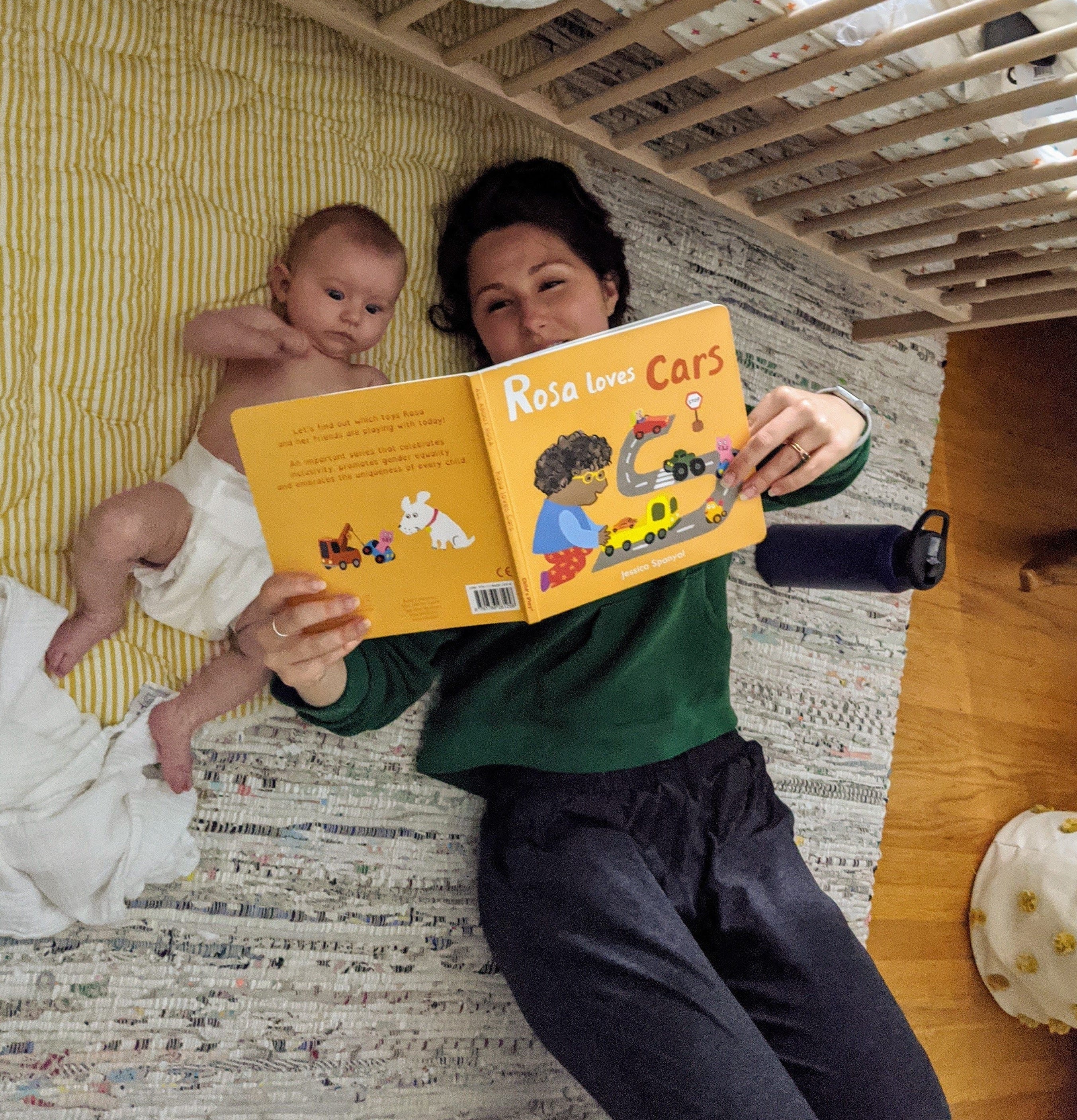
One of the joys of becoming a mom is that it instantly opens up new avenues for making friends as an adult, especially for those of us who live far from where we grew up and have moved multiple times. Kids provide a natural conversation starter at playgrounds or just in line at a cafe.
Early motherhood also gave me the chance to get acquainted with a new world of powerfully gifted women: doulas, midwives, lactation consultants, and prenatal yoga teachers who I’m in awe of.
If you have a partner, how has that relationship evolved since having children?
The depth and commitment of the relationship I have with my husband has entered new territory. Seeing the physical realities of birth, the postpartum phase, and breastfeeding has shifted how he sees me — there’s another level of intimacy and respect.
And watching him push through the long days and nights and be a fully engaged co-parent has made me more confident than ever in my choice of a partner.
Section 4: Self-Identity and Interests
Are there activities you’ve discovered or rediscovered since becoming a mom? Have your children introduced you to any new interests?
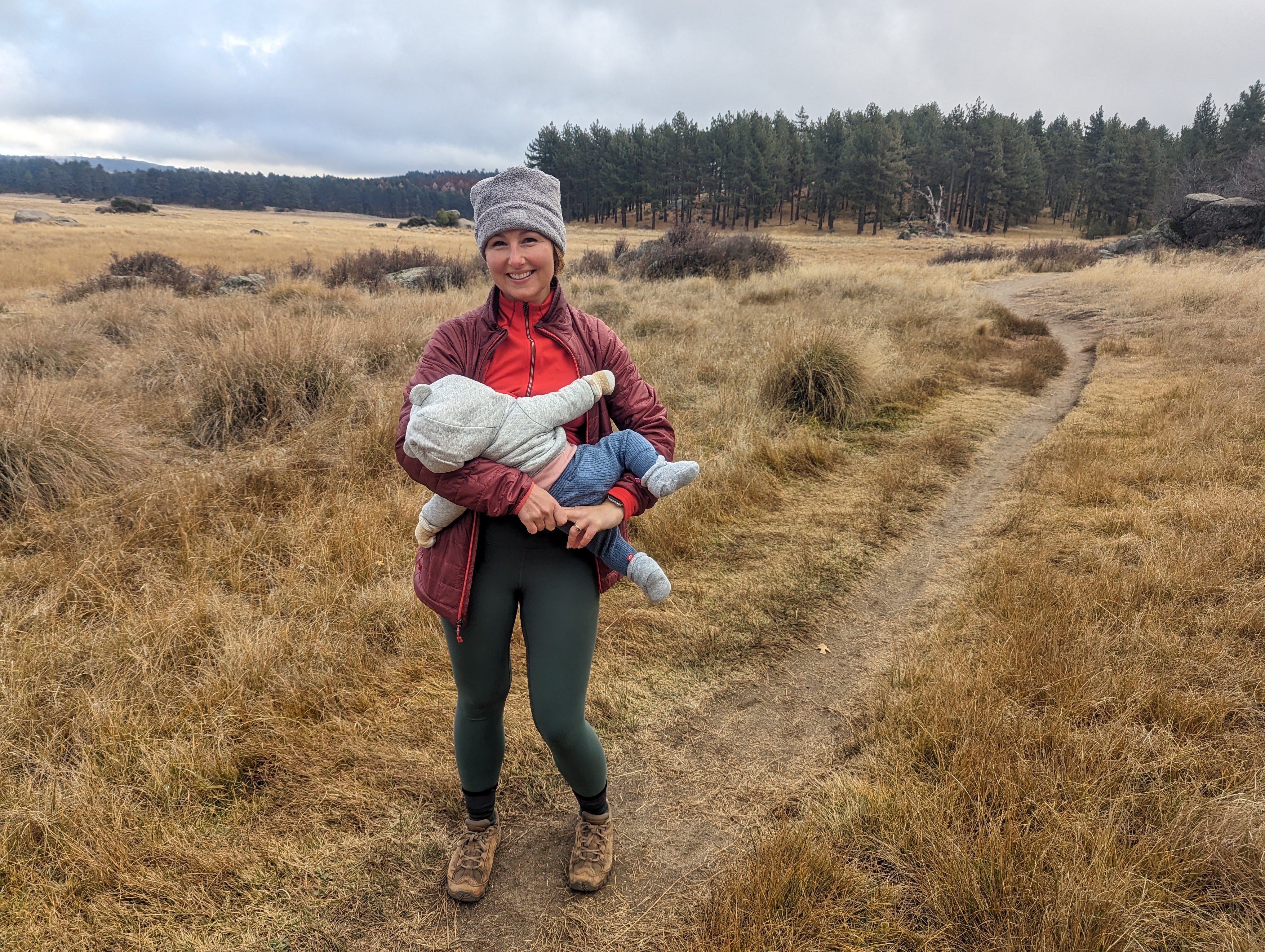
I’ve always had a strong urge to explore the world, and now I get a kick out of planning trip activities that will delight my children. We’ve watched a marionette show in Munich, visited Europe’s largest aquarium in Valencia, and painted alebrijes in San Miguel de Allende. Recently I’ve gotten into home exchange, which has rekindled my spirit of adventure.
I’m also even more motivated to lead my family in adopting satisfying ways to create less trash and curb our consumption, which can get out of control quickly when you start having kids.
Section 5: Values and Purpose
What rituals, habits, or self-care practices have emerged for you since becoming a mother?
I grew up in a religious community where traditions were built in, but it’s something I have to consciously develop for my family.
One way I’m doing that is by creating seasonal dockets that draw us closer to the rhythms of nature. We’ve also started meaningful rituals like reading a poem before dinner and going on solstice and equinox hikes.
Would you describe motherhood itself as spiritual? Why or why not?
Birth and pregnancy were more spiritual than I anticipated. At the beginning, I was attracted to medicalized or snarky cultural takes, but I ended up going in a totally different direction, finding books and perspectives that considered the sacredness and wildness of it.
For me, physiological labor was nothing short of psychedelic. It was a time warp, connecting me with mothers throughout history. I was humming and writhing and feeling the bones shifting within my body. Then the fire and relief of a creature slithering out of me. I joke that ayahuasca probably has nothing on giving birth.

Quick Hit Tips For New Moms:
Read this:
Hunt, Gather, Parent by Michaeleen Doucleff. I’ve found so much wisdom and comfort in broadening my parenting lens.
Watch this:
Nightbitch (after reading the novel by Rachel Yoder!)
Listen to:
Becoming, by Michelle Obama. This turned out to be the perfect audio book (read by the author) for the long hours of breastfeeding at the start of my motherhood journey. And Brandi Carlile’s song “The Mother” just hits different right after becoming one yourself.
Wear this:
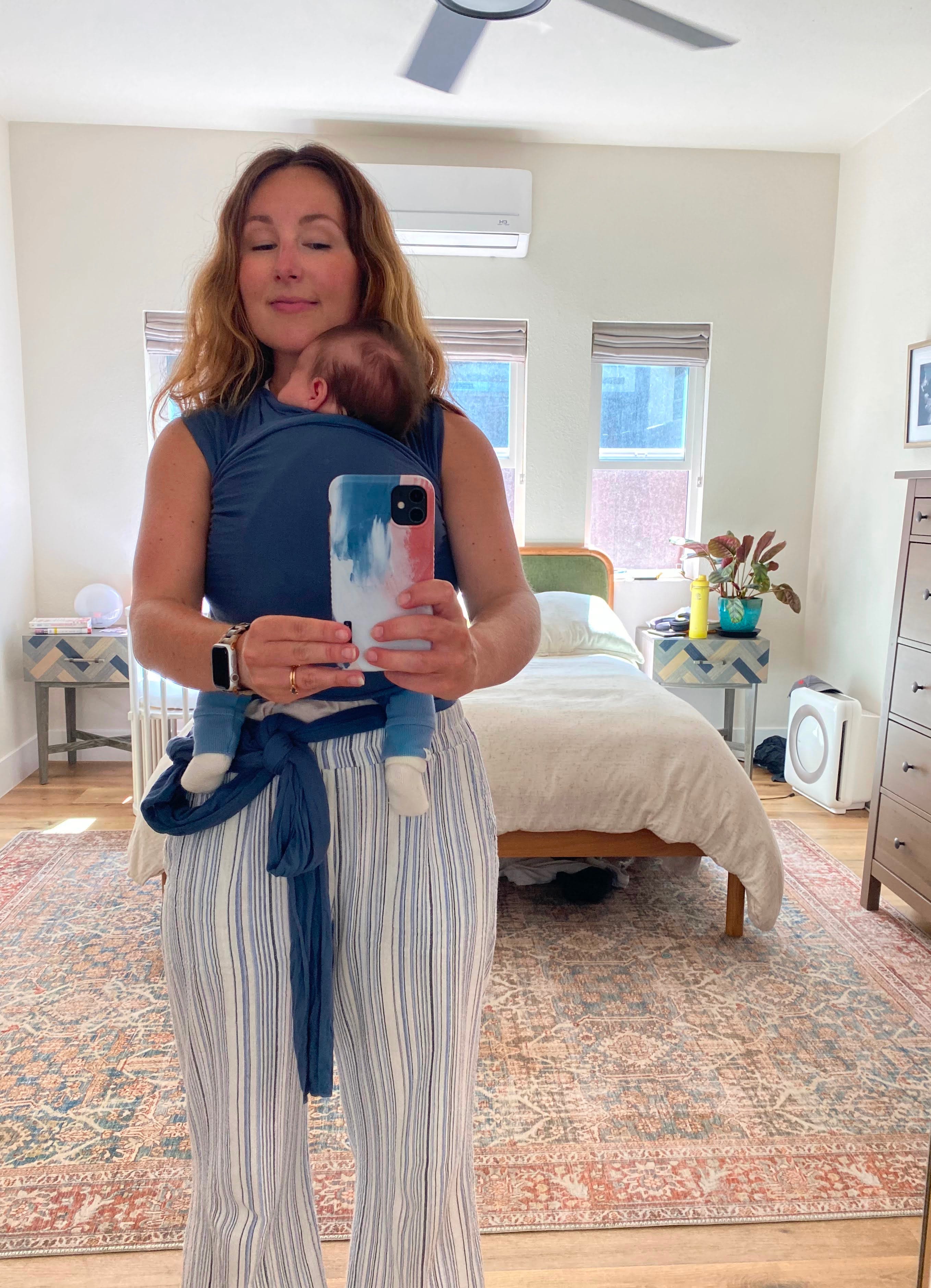
Solly wrap. Some of my sweetest memories are of having my babies wrapped to my chest.
Do this:
Get dressed every morning. Go outside and walk. Sign up for all the perinatal help you can afford. Try side-lying breastfeeding as soon as possible!

Thanks so much for reading—and thank you again to Rachel for sharing her story here!
If you—or someone you’d like to recommend—would like to fill out the Matrescence Questionnaire, possibly for publication, please leave a comment or DM me via Substack, or email me at ordinaryanimalz@gmail.com. I hope to publish about one every other month going forward for at least the next calendar year — and possibly beyond!
 | A guest post by
|
Ugh, I have such a girl crush on Rachel. Rachel- thank you for such an honest, thoughtful look into your life and how you parent. Side note: I’m always so inspired by her style but just by reading her writing, she has such a calmness and warm spirit about her. Those babies are so lucky to have such a nurturing mama who prioritizes herself, her family and how travel fits into the whole equation.
We love Rachel!!!